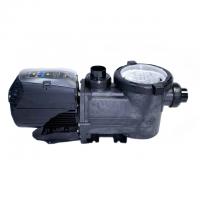
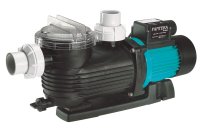
Swimming Pool Pump

Here you'll find free expert advice on choosing the right swimming pool pump, pump maintenance, and how to slash the energy bills of running a pool pump.


Swimming Pool Pump

All About Swimming Pool Pumps

Swimming pool pumps run on a constant flow of electricity. During the summer months a swimming pool pump can increase your electricity bill considerably. However, there are several ways you can slash the costs of running a swimming pool pump. First, contact a local electrician and have him check your metre box and see if it can be hooked-up to off peak electricity. Putting your swimming pool pump on "Off Peak" will save you a considerable amount on energy costs. If you are installing a brand-new pool or just replacing an old swimming pool pump, you should consider purchasing a new energy-efficient swimming pool pump.

Swimming Pool Pump

So here is helpful information for buying the right pool pump and a useful guide about pump maintenance:

How To Choose The Right Pool Pump

Today's marketplace offers many makes and models of swimming pool pumps. Buy the right pump, and you'll save between 70 to 90 percent of the running costs associated with older style pool pumps. But keep in mind that you must buy the right-sized swimming pool pump or you might not benefit from these savings. Larger in-ground pools need a much stronger pool pump than that of smaller above-ground pools. You need to install a pool pump capable of turning over all of your swimming pool water every 12 to 14 hours in order to keep your swimming pool clean.

Always Check The Pump Specifications

It's a good idea to carefully check the pump specifications so that you will know exactly how many "gallons per minute" of pool water it will be able to run through. For example: a pool of arounf 56,781 litres (US, liquid 15,000 gallons) of water needs about a 75 litre (20 gallon) per minute output on the swimming pool pump to operate it 24 hours a day. But keep in mind that this does not always come down to the actual horsepower of the pump. The majority of pool pumps these days are oversized for the needs of most swimming pools. More importanly, swimming pool owners usually don't operate the pump 24 hours a day mainly because of the higher costs to run. However, with a modern efficient and multi-variable speed swimming pool pump, you can expect to run it for 24 hours a day, and still expect a substantial cut your energy running costs. Moreover, operating a swimming pool pump for 24 hours a day if its a new energy cost-saving pump can further reduce servicing and maintenance time. This inturn will keep your swimming pool a lot cleaner, and it is a major benefit to the environment.

Installing the Pool Pump

Before you decide to work on your swimming pool pump you should make sure it is not connected to the electricity. Next thing to do is to remove your old pump by unscrewing both the intake and outlet water pipes. It is important that you next disconnect the conduit adapter from the rear of the electric motor. It's probably a good idea to cut the PVC pipes going into the front as well as the top of your old pump. Once you have completed this you can then discard your old pump and haul it away.

Why You Should Clean All Connections

When installing a new pool pump it is really important that you throughly clean (and, allow them to dry) all of the connections to be used to connect your new swimming pool pump. Why? So that you get a solid and leakproof connection. Also, you will need to apply pipe sealant to the threads of the plastic nipple before you screw it into the pump-intake port. You should apply sufficient amount of contact sealant to cement both ends of the remaining joints and then slip them tightly together. It's a good idea to urn them slightly in order to spread the sealant cement nice and evenly. Next attach the return compression fitting, and attach new PVC pipe from the pump to the filter.

Using Sleeves & Elbows

To attach PVC pipe from the pump to the filter so that you bring them together, use the proper sleeves and elbows. Use a sufficient amount of purple primer both inside the edges, sleeves, elbows and on the ends of the pipes. You shoul allow a few minute or two for them to set. Then you can apply glue in the same places, and push them gently together. Important: Make certain that you use a top-quality PVC adhesive. Again, wriggle the joints slightly before the adhesive actually sets to spread it out evenly. It's best to then hold them together until the actual adhesive begins to set. It's also best if you put the new PVC piping together one at a time so that you are not trying to hold all pieces at the same time. As soon as the pipes are all correctly installed, install the conduit adapter you took from your old pump and put it onto the back of the new pool pump. The pump should now be ready to use.

Prime the Pump & Check For Leaks

You should not switch the pump on until you have filled it with water. Why? Because running a brand-new pump without water will almost certainly burn it out. Pretty much all new pumps manufactured these days are self-priming. This means that when you have filled it with water you can switch on the power to the pump. Now is a good time to check for leaks. Make certain that the pump is actually priming. If it isn't priming (like it should be) then try placing the pump on backwash for a few minutes, and watch and see if the pump fills up. If there are any leaks around one of the compression fittings, then you may have over tightened it. This this occaurs then switch off the pump and disassemble the fitting. Wipe it clean and allow it to dry, and then put it back but only hand tighten it this time.

Pumps Controlled By a Computer

At this point you should check the top of the pump basket and make certain the insert gasket is sitting correctly and not twisted. If you find no leaks, then the pump is set and ready to go. Note: Modern energy efficient swimming pool pumps are controlled by a small built-in computer which requires setting. You will need to insert information such as how many litres of water your swimming pool holds, and especially its turnover rate. Once you have set the computer requirements, your new pool pump will practically run itself. Modern swimming pool pumps are extremely efficient and quiet to run.


Swimming Pool Maintenance Secrets Click Here!